Apply for 2026 / 2027 intake.
Study at School of Advanced Study, University of London
- Location
- London
- Founded
- 1994 (1 August 1994)
- Type
- Postgraduate school of the University of London
- Institutes
- 8 specialist research institutes
- Study levels
- Postgraduate, Research (MA, MRes, LLM, MPhil, PhD)
- Main intakes
- September
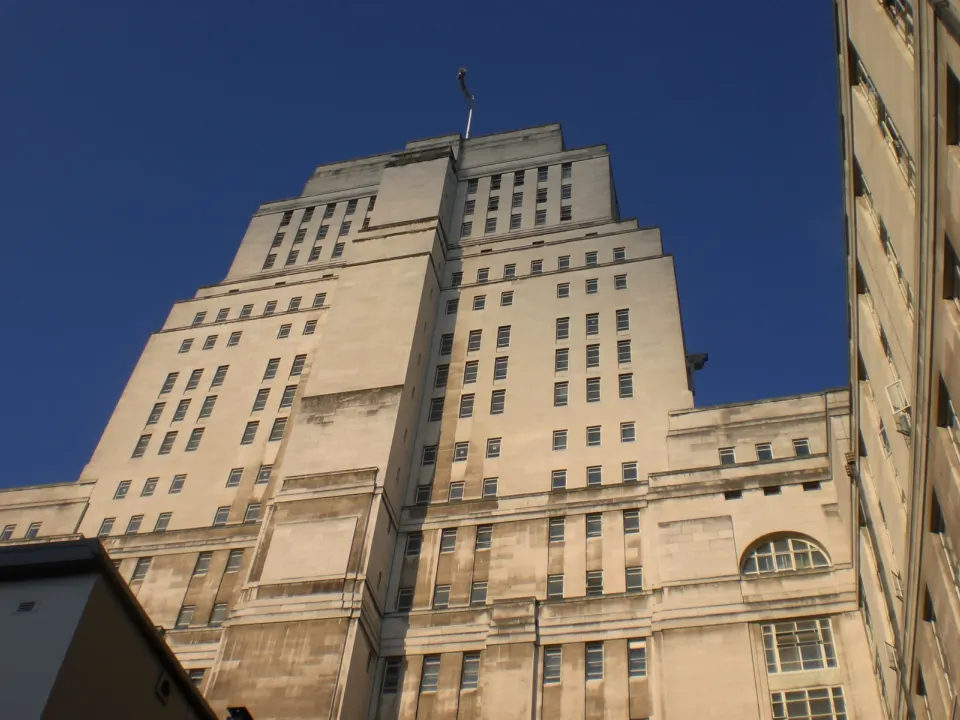
The School of Advanced Study (SAS) is the postgraduate humanities school of the University of London. Established in 1994 and based in Senate House in Bloomsbury, it acts as a national centre for supporting research across the humanities and social sciences. It teaches only postgraduates: there are no undergraduate degrees, and students join one of eight specialist research institutes.
Why study at School of Advanced Study, University of London
Its institutes cover advanced legal studies, classical studies, Commonwealth studies, English studies, historical research, languages cultures and societies, philosophy, and the Warburg Institute, known for art history and Renaissance culture. Alongside MA, MRes, LLM and MPhil/PhD degrees, the School runs research training, fellowships, specialist libraries and public programmes including the Being Human festival. Some programmes, such as the MA in Human Rights, can be studied by distance learning.
Location and student life
All teaching is centred on Senate House on Malet Street in Bloomsbury, central London, the University of London's headquarters building, with most institutes inside it and the Warburg Institute and the Institute of Advanced Legal Studies in nearby buildings. Bloomsbury places students close to the British Museum, the British Library and other University of London colleges, with Underground, bus and national rail links across the capital. London brings major archives, museums, part-time work and student life, but living costs are high, so international applicants should budget carefully and arrange accommodation early.
Courses and subjects
The School's teaching reflects its eight institutes: law (including an LLM in drafting legislation, regulation and policy), classics, Commonwealth studies, English studies, history, languages and cultures, philosophy, and art history and Renaissance culture at the Warburg Institute. Awards include taught MA, MRes and LLM degrees alongside MPhil and PhD research, with some programmes such as the MA in Human Rights available by distance learning. Because SAS is postgraduate-only, there are no foundation or undergraduate routes; applicants choose a programme or research institute and must meet its specific academic and English requirements.
Entry requirements for international students
Entry requirements vary by course, so check the programme page for the exact academic and English criteria for your chosen degree. The normal minimum for taught postgraduate programmes is an upper-second class honours degree or an international equivalent. For English, international applicants typically need IELTS Academic 7.0 overall with no less than 6.0 in any component, awarded within the last two years; check the entry-requirements page for accepted alternatives. The School publishes guidance for international students on visas, fee status and finance, including the CAS process for the Student visa. Allow time for references, research proposals (for MPhil/PhD) and English evidence when planning an application.
Accommodation
The School has quota places in University of London intercollegiate halls for full-time students who have been offered a place, with catered and self-catered rooms on typically 40-week contracts; International Hall is one example named on the accommodation page. Quota places are limited, so apply early and read the eligibility rules on the official page. The University also runs a private-accommodation search platform for students who rent privately in London.
Scholarships and funding
Funding varies by institute and changes each year, so check the School's fees and funding pages for current awards. Examples the School has listed include Commonwealth Distance Learning Scholarships covering the MA in Human Rights by distance learning, the University of London Scholars award for London-resident MPhil/PhD entrants, and institute awards such as the Warburg Institute's Rubinstein and JB Trapp scholarships. External routes the School lists include Chevening scholarships, Commonwealth scholarships and Aga Khan Foundation support, while research applicants can explore London Arts and Humanities Partnership studentships. Always confirm values, eligibility and deadlines on the official pages before applying.
Take a look around School of Advanced Study, University of London
Official links and sources
- School of Advanced Study, University of London official website
- sas.ac.uk/graduate-study/entry-requirements
- sas.ac.uk/postgraduate-study/applying/international-students
- sas.ac.uk/postgraduate-study/current-students/accommodation
- sas.ac.uk/postgraduate-study/fees-funding
- en.wikipedia.org/wiki/School_of_Advanced_Study