- Location
- Cardiff
- Founded
- 1893 by royal charter (federal university)
- Students
- No new enrolments; legacy and transnational teach-out only
- Type
- Public confederal university, functionally integrated with University of Wales Trinity Saint David since 2017
- Main intakes
- None — not recruiting new students
- Study levels
- No current study levels; registry supports remaining registered students
The University of Wales (Prifysgol Cymru) was founded by royal charter in 1893 as the first university in Wales, originally a federal body whose colleges in Aberystwyth, Bangor and Cardiff taught students while the university examined and awarded degrees. In 2007 it changed from a federal to a confederal structure as its colleges became independent universities, and from August 2017 it has been functionally integrated with the University of Wales Trinity Saint David. UK statistics recorded no students registered with it in the UK in 2018/19, only students on legacy transnational courses abroad.
Why study at University of Wales
Today it is best understood as a historic awarding body and research institution rather than a teaching university. Its continuing work includes the Centre for Advanced Welsh and Celtic Studies, the University of Wales Press, the Gregynog conference centre and registry services for remaining registered students at collaborative centres. International students cannot enrol for a University of Wales degree now, but its history underpins several of Wales's current universities.
Location and student life
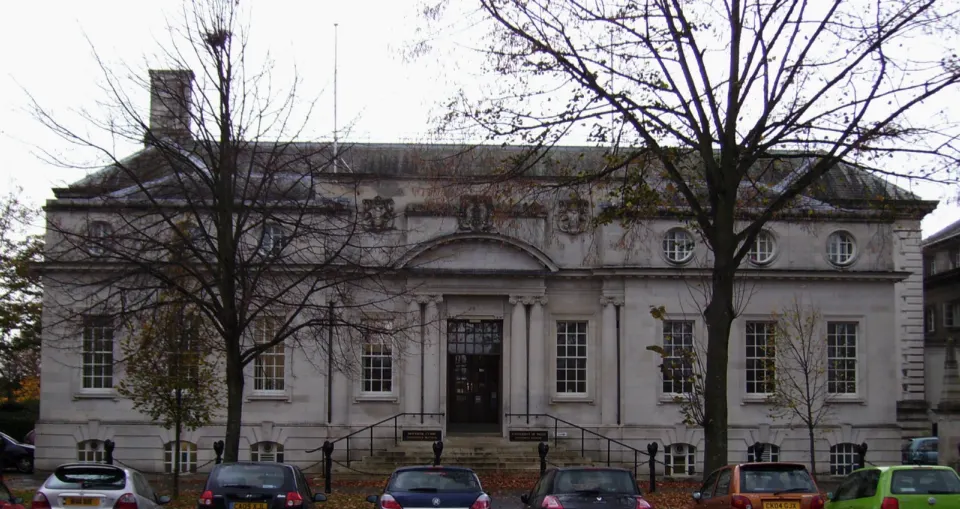
The university's administrative home is the University Registry on King Edward VII Avenue in Cathays Park, Cardiff's civic centre, a Grade II listed Portland stone building. It has no teaching campus of its own: its former colleges are now independent universities in Aberystwyth, Bangor and Cardiff, and it also keeps the Gregynog study and conference centre near Newtown. Applicants wanting a Cardiff student base should therefore look at the campuses and city life of the successor institutions rather than this registry address.
Courses and subjects
In its federal era the university covered the full range of subjects taught at its colleges, which are now the independent universities of Aberystwyth, Bangor and Cardiff. Its present academic work is concentrated in Welsh and Celtic research through the Centre for Advanced Welsh and Celtic Studies, including projects on medieval Welsh law and literature, Celtic languages and cultural identity, Welsh place-names, the Dictionary of Welsh Biography and stained glass archives. It offers no undergraduate or postgraduate taught programmes and no foundation or pathway routes, so international applicants should explore the faculties and schools of the successor universities instead.
Entry requirements for international students
International students cannot currently apply to the University of Wales, as it takes no new admissions and publishes no entry requirements, IELTS scores, foundation routes or pre-sessional English options. Prospective applicants interested in its former colleges or successor institutions should check the international entry pages of Aberystwyth University, Bangor University, Cardiff University or University of Wales Trinity Saint David. Requirements vary by course, so always confirm the exact grades and English language evidence for your chosen programme.
Accommodation
The University of Wales offers no student accommodation and publishes no halls or guarantee policy, because it no longer admits students. Anyone planning to study in Cardiff or elsewhere in Wales should check the accommodation pages of the university they actually apply to, such as Cardiff University or University of Wales Trinity Saint David, where halls, private rentals and guarantee terms differ by campus and year.
Scholarships and funding
The University of Wales publishes no international scholarships, discounts or bursaries, because it no longer recruits students. There are no named awards or stated values to report, and funding information on its site concerns research activity rather than student support. Scholarship provision changes each year, so applicants should consult the scholarships pages of the institutions that now teach and admit students, such as University of Wales Trinity Saint David, Cardiff, Aberystwyth or Bangor universities.